The Cotton Master: A Day in the Life of Wang Cheng (I)
- Mar 5, 2025
- 3 min read
Wang Cheng, a 35-year-old cotton craftsman, owns a bustling cotton shop. He sources high-quality cotton from Xinjiang, offering a range of customized cotton quilts to meet his customers' needs. As winter arrives, his shop is always busy, with customers constantly coming and going. Wang's exceptional skills and quick hands make him a local favorite, and he can earn around 150,000 yuan during the winter season alone. "What I make in a single winter is what others earn in a year," he says, brushing off bits of cotton with a proud grin.

Wang is of average height, with a sturdy build and agile hands. His skin is tanned, and he often wears a mask to shield himself from the ever-present cotton fluff. His narrow eyes are usually squinted, a result of years spent among the floating cotton fibers.
"I dropped out after middle school because studying just wasn’t for me," Wang shares, taking a break to light a cigarette. When I remind him of the fire hazard, he simply laughs, his relaxed demeanor at odds with his age.
After leaving school, Wang worked in a factory, tightening screws on machines. The repetitive work bored him, and he often stayed up late playing online games, losing much of his earnings. His father, an old-school cotton craftsman, had saved a bit of money, so Wang never truly lacked. However, his gaming addiction led to frequent absences from work and mounting gambling debts. Eventually, Wang turned to his father's craft, becoming his apprentice.
"I wanted more than just a job to make ends meet. I wanted to preserve this dying craft," he explains. Having grown up watching his father work, he already knew the business's ins and outs, from sourcing the best cotton to mastering the craftsmanship. This familiarity allowed him to avoid the steep learning curve of a new trade. "Learning this craft felt like protecting a piece of our heritage," he adds.
When Wang first opened his shop, he followed in his father's footsteps, making quilts by hand. However, handcrafting was time-consuming—taking nearly a full day for one quilt—and the higher price of handmade products deterred customers. Realizing he needed to adapt, Wang invested in machinery, slashing production time to just 30 minutes per quilt.
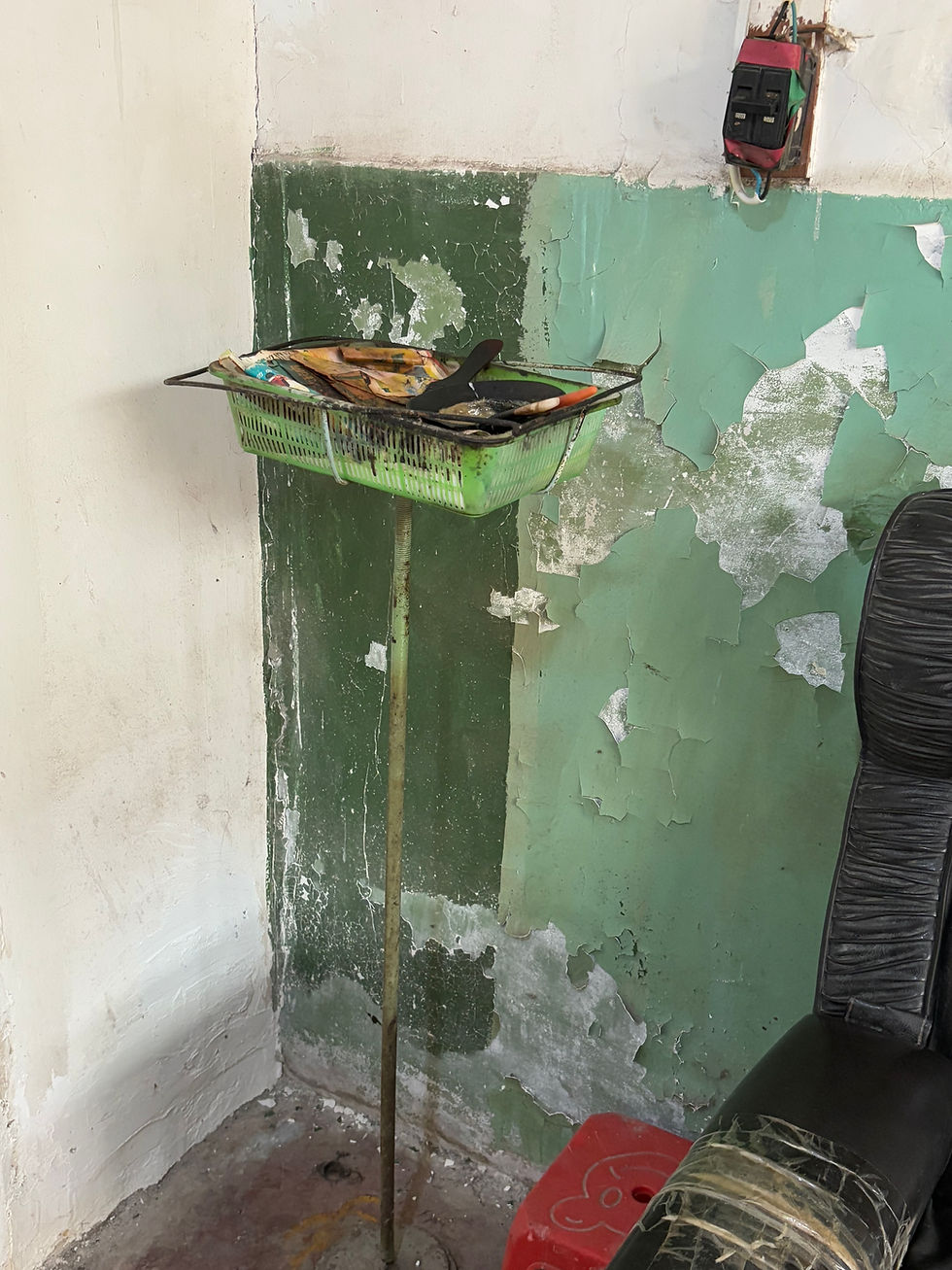
He shows me the old tools hanging on the wall: a bow, a hammer, and a basket once used to flatten cotton. "These were my father's. You can see where the wood shines from years of use," he says. The tools are coated in a thin layer of cotton dust, silent witnesses to the shift from handcrafting to mechanization.
A customer arrives, and Wang smoothly transitions back to work. He weighs the cotton, fluffs it in a machine, then feeds it through another to transform it into a misty layer that rolls onto a drum. With a bamboo rod, he deftly transfers the cotton onto a large board, then uses a press to set the quilt’s shape. Before long, another cozy cotton quilt is ready.
Wang's personal life is equally settled. He has a loving wife, though her devout Buddhism sometimes irritates him. "She spends so much time praying and won’t let the kids eat meat," he says, shaking his head. Wang himself isn't religious. "I believe as long as you live rightly and harm no one, you're already a good person," he shares. He even enjoys hunting, turning wild game into delicious meals. "I could never be a vegetarian," he laughs.
As the customer pays and leaves, I ask Wang about his future. "I’ll hunt, cook, play mahjong, and live in this small town till I’m old," he says. When I mention travel, he points to his phone with a chuckle. "I can see all the beautiful places online. Why spend money to exhaust myself?" With that, he returns to his work, ready to start on the next quilt.


Comments